
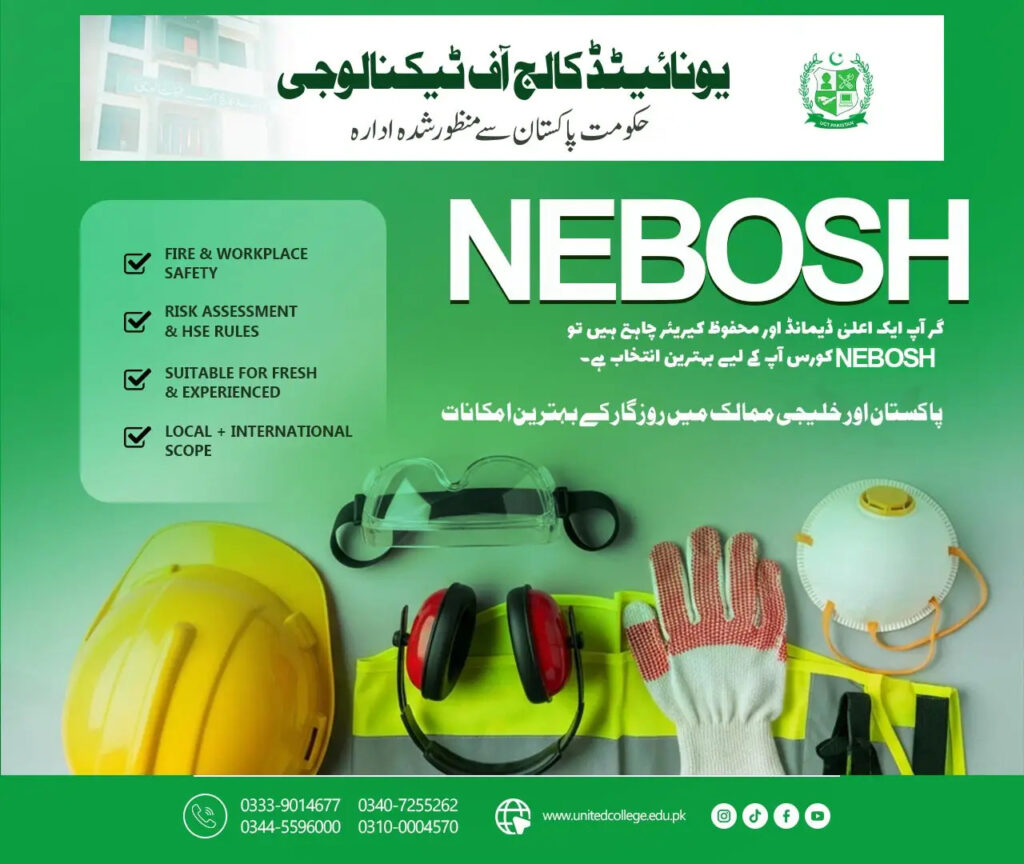
Workplace safety is an important part of every industry. Whether someone works in construction, healthcare, manufacturing, engineering, or an office, understanding health and safety helps prevent accidents and creates a better working environment. Good safety knowledge also allows workers to recognize hazards and make informed decisions before problems occur.
A NEBOSH Course training offers structured learning that helps individuals develop practical health and safety knowledge. Instead of only learning rules, learners understand why safety procedures are important and how they can be applied in real workplace situations. This practical approach makes safety knowledge easier to understand and use every day. Strong safety knowledge also helps people work with greater confidence because they understand how to handle common workplace situations. As safety awareness improves, employees become more careful and contribute to creating a positive work environment for everyone.
Understanding Workplace Safety Principles
One of the first ways safety knowledge improves is by learning the basic principles of workplace health and safety. Learners understand why safety is necessary, how workplace hazards develop, and what steps can reduce risks.
These basic principles create a strong foundation for future learning. Once learners understand the purpose behind safety procedures, they become more confident in applying them during everyday work activities. Learning these principles also helps individuals understand the connection between safe behavior and accident prevention. This knowledge encourages workers to think about safety before beginning any task, no matter how simple it may seem.
Learning to Identify Workplace Hazards
Recognizing hazards is an essential part of workplace safety. A NEBOSH Course teaches learners how to observe different work environments and identify conditions that may cause accidents or injuries. During the training, learners become familiar with common workplace hazards such as unsafe equipment, electrical dangers, fire risks, chemical exposure, poor housekeeping, and unsafe work practices. Early hazard identification allows problems to be corrected before they become serious. Regular practice in identifying hazards improves observation skills over time. The more familiar learners become with workplace risks, the easier it is to recognize unsafe situations and report them before they lead to accidents.
Developing Risk Assessment Skills
Risk assessment is one of the most valuable skills taught during health and safety training. Learners understand how to identify hazards, evaluate possible risks, determine who could be affected, and choose suitable control measures.
By learning this NEBOSH process, individuals become better at preventing workplace incidents rather than simply responding after accidents happen. These skills support safer decision-making across different work environments. Greater awareness helps individuals stay focused on safety during daily tasks instead of only reacting after something goes wrong. This proactive mindset encourages continuous improvement and supports a safer workplace for everyone. Understanding risk assessment also improves planning because workers learn to consider possible dangers before starting a job. This careful approach supports safer work practices and reduces the likelihood of unexpected incidents.
Improving Safety Awareness
Safety awareness grows through continuous learning and practical observation. As learners gain more knowledge, they become more aware of potential dangers that may exist around them. A NEBOSH Training Program encourages learners to think carefully before performing tasks, follow workplace procedures, and recognize warning signs that could lead to accidents. This increased awareness helps reduce unnecessary risks. Knowing individual responsibilities also strengthens teamwork because everyone understands their role in maintaining workplace safety. When employees work together, safety procedures become easier to follow and more effective. Greater awareness helps individuals stay focused on safety during daily tasks instead of only reacting after something goes wrong. This proactive mindset encourages continuous improvement and supports a safer workplace for everyone.
Understanding Health and Safety Responsibilities
Workplace safety is a shared responsibility. Everyone, including employers, supervisors, managers, and employees, plays an important role in creating safe working conditions. Safety training explains why following procedures, reporting hazards, participating in safety activities, and supporting coworkers all contribute to a healthier workplace. Understanding these responsibilities encourages a stronger commitment to workplace safety. Knowing individual responsibilities also strengthens teamwork because everyone understands their role in maintaining workplace safety. When employees work together, safety procedures become easier to follow and more effective.
Learning Through Practical Workplace Examples
Practical NEBOSH learning helps learners understand how safety principles apply in real situations. Instead of focusing only on theory, safety training uses workplace examples that demonstrate how hazards are identified and controlled. These practical situations improve understanding because learners can connect classroom knowledge with actual workplace activities. This approach also makes important safety concepts easier to remember. Practical examples also help learners understand why different safety procedures are necessary in various situations. Seeing how these principles work in real environments makes the learning experience more meaningful and easier to apply.
Building Better Safety Communication
Effective communication is an important part of workplace safety. Workers need to report hazards, explain safety concerns, and share important information with supervisors and coworkers.
A NEBOSH Course helps learners develop communication skills that support teamwork and encourage open discussions about workplace safety. Good communication often prevents small problems from becoming larger safety issues. Open communication encourages employees to share ideas for improving workplace safety without hesitation. This creates an environment where safety concerns can be addressed quickly before they develop into larger problems.
Developing Problem-Solving Skills
Health and safety professionals often face situations that require careful thinking and quick decisions. During the training, learners improve their ability to analyze workplace conditions, identify possible solutions, and choose the safest course of action. These problem-solving skills are valuable because they help individuals respond confidently to workplace challenges while maintaining safe working practices. Problem-solving also helps workers remain calm when unexpected situations occur. Careful thinking allows individuals to choose practical solutions that improve safety while supporting smooth workplace operations.
Encouraging Safe Work Habits
Safety knowledge becomes more effective when it is practiced every day. Learners develop habits such as following workplace procedures, using protective equipment correctly, keeping work areas organized, and reporting unsafe conditions immediately. These daily habits reduce workplace risks and help create a positive safety culture where everyone takes responsibility for preventing accidents. Good safety habits become stronger with regular practice and consistency. Over time, these habits become a natural part of everyday work, helping reduce risks and improve overall workplace performance.
Supporting Different Industries
The knowledge gained through a NEBOSH Course is useful across many industries. Construction, manufacturing, healthcare, engineering, logistics, hospitality, education, warehousing, and office environments all require employees who understand workplace health and safety. Although workplace hazards vary between industries, the basic principles of hazard identification, risk assessment, and accident prevention remain valuable everywhere. The ability to apply the same safety principles in different work environments makes this knowledge highly practical. Regardless of the industry, understanding workplace risks helps individuals contribute to safer and more organized operations.
Common Questions About NEBOSH Course Training
Is NEBOSH Course Training Suitable for Beginners?
Yes. The training is designed to explain workplace health and safety concepts in a simple and structured way, making it suitable for learners with little or no previous experience.
How Does Safety Knowledge Improve?
Safety knowledge improves through structured learning, practical workplace examples, regular practice, and understanding how safety principles apply in real situations.
Why Is Hazard Identification Important?
Hazard identification helps workers recognize unsafe conditions before accidents happen. Early action reduces risks and creates safer working environments.
Can These Skills Be Used in Different Careers?
Yes. The knowledge gained through a NEBOSH Course can be applied in many industries because workplace health and safety is important in almost every profession.
Building Safer Workplaces Through Better Knowledge
Strong workplace safety begins with the right knowledge and the ability to apply it effectively. A NEBOSH Course helps learners understand hazards, improve risk assessment skills, strengthen communication, and develop safe working habits that reduce workplace risks.
As individuals continue applying what they have learned, they become more confident in handling workplace safety responsibilities. This improved knowledge not only benefits individual workers but also contributes to safer, healthier, and more productive workplaces for everyone. Continuous learning helps individuals keep improving their understanding of workplace safety as new challenges appear. By applying safety knowledge every day, workers help create environments where people can perform their duties with greater confidence and reduced risk.
If you want to expand your understanding of workplace health and safety, reading additional educational resources can be helpful. You can explore How NEBOSH Course Skills Help Reduce Workplace Risks to learn how practical safety skills support accident prevention. Another useful guide, What You Learn During a NEBOSH Training Program, explains the key topics covered during safety training and how they build workplace awareness. You can also review this NEBOSH learning resource for additional study material that supports your understanding of workplace health and safety concepts.