
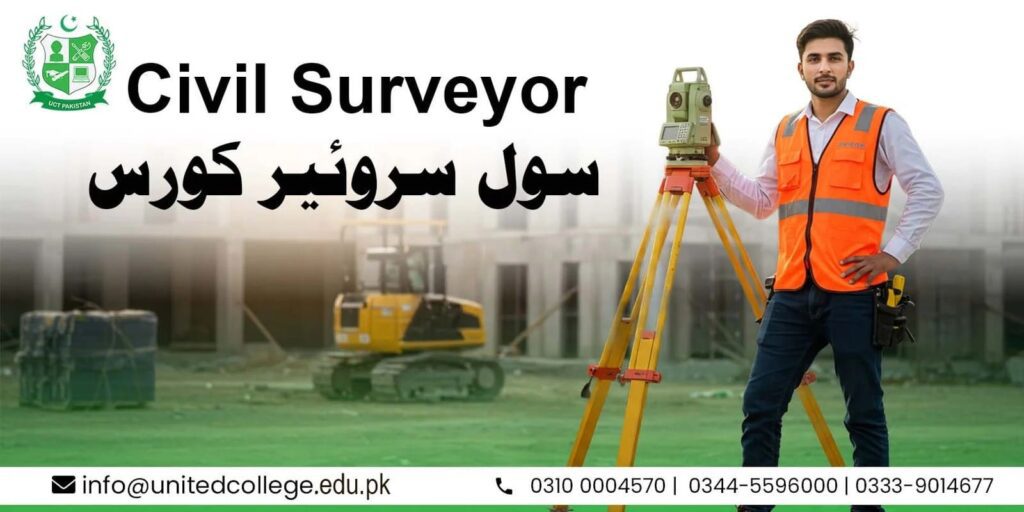
Civil surveying is the foundation of every successful construction project. Accurate measurements help engineers, architects, and contractors design and build structures that are safe, efficient, and properly aligned. However, even experienced surveyors can make mistakes if proper procedures are not followed.
Surveying errors can lead to project delays, increased costs, legal disputes, and structural problems. Understanding the most common errors and learning how to prevent them is essential for maintaining high-quality survey results. For individuals interested in developing professional surveying skills, the Civil Surveyor practical training uses modern surveying equipment and industry-standard techniques.
Instrument Calibration Errors
One of the most common surveying mistakes is using instruments that have not been properly calibrated. Equipment such as total stations, GPS receivers, and digital levels can produce inaccurate measurements if they are not regularly inspected and adjusted.
How to Avoid It:
- Calibrate equipment before starting work.
- Perform routine maintenance.
- Inspect instruments for damage before use.
- Follow the manufacturer’s maintenance recommendations.
Regular calibration ensures reliable and accurate measurements throughout the project.
Incorrect Instrument Setup
Improper setup of surveying equipment can affect measurement accuracy. If a tripod is unstable or the instrument is not level, the collected data may be incorrect.
How to Avoid It:
- Set up equipment on firm and stable ground.
- Ensure the tripod is securely positioned.
- Carefully level the instrument before taking readings.
- Double-check the setup before beginning measurements.
A proper setup provides a strong foundation for accurate surveying.
Human Recording Errors
Mistakes can occur when surveyors manually record measurements or transfer field data into reports and software.
Examples include:
- Writing incorrect values
- Skipping important observations
- Entering wrong coordinates
- Misreading instrument displays
How to Avoid It:
- Record measurements immediately.
- Review field notes regularly.
- Use digital data collection systems whenever possible.
- Verify all recorded information before leaving the site.
Careful documentation reduces the likelihood of costly mistakes.
Failure to Double-Check Measurements
Relying on a single measurement increases the risk of unnoticed errors. Rechecking measurements helps identify inconsistencies before they affect construction.
How to Avoid It:
- Repeat important measurements.
- Compare readings from different positions.
- Cross-check field calculations.
- Verify coordinates before finalizing reports.
Verification improves confidence in survey accuracy.
Poor Weather Conditions
Weather can significantly affect surveying operations. Heavy rain, strong winds, extreme heat, and fog may reduce visibility and influence equipment performance.
How to Avoid It:
- Check weather forecasts before fieldwork.
- Postpone surveying during severe weather.
- Protect instruments from moisture and dust.
- Allow equipment to stabilize in changing temperatures.
Planning around weather conditions helps maintain reliable measurements.
Inadequate Site Preparation
Beginning a survey without understanding site conditions can create unnecessary challenges and increase the chance of errors.
How to Avoid It:
- Inspect the site before starting work.
- Identify obstacles and hazards.
- Review project drawings and requirements.
- Plan measurement locations carefully.
Proper preparation improves efficiency and reduces unexpected problems.
Miscommunication Among Team Members
Surveying often involves collaboration between surveyors, engineers, architects, and construction supervisors. Poor communication can result in incorrect measurements or misunderstandings.
How to Avoid It:
- Hold clear project briefings.
- Share updated survey information with the team.
- Confirm project requirements before starting work.
- Maintain regular communication throughout the project.
Effective teamwork contributes to successful project outcomes.
Ignoring Environmental Factors
Environmental conditions such as uneven terrain, vegetation, nearby buildings, and moving traffic can influence survey accuracy.
How to Avoid It:
- Choose clear observation points.
- Remove temporary obstacles when possible.
- Account for terrain variations during measurements.
- Adjust surveying methods according to site conditions.
Understanding the environment helps produce more dependable results.
Lack of Equipment Maintenance
Surveying instruments require regular maintenance to perform accurately. Neglecting maintenance can reduce equipment reliability and shorten its lifespan.
How to Avoid It:
- Clean instruments after every use.
- Store equipment in protective cases.
- Replace damaged components promptly.
- Schedule routine inspections and servicing.
Well-maintained equipment delivers consistent performance.
Insufficient Training and Experience
Surveyors who lack proper training may misuse equipment or misunderstand surveying procedures, leading to inaccurate results.
How to Avoid It:
- Learn standard surveying techniques.
- Practice using modern surveying instruments.
- Stay updated with new technologies.
- Participate in practical field training.
Continuous learning helps surveyors improve both technical knowledge and field performance.
Benefits of Avoiding Surveying Errors
Preventing common surveying mistakes offers several advantages:
- Higher measurement accuracy
- Reduced project delays
- Lower construction costs
- Improved safety
- Better project quality
- Greater client confidence
- Compliance with engineering standards
Following best practices helps ensure every construction project begins with reliable survey data.
Key Takeaways
Accurate civil surveying requires careful planning, proper equipment handling, regular verification, and continuous learning. By avoiding common errors such as poor instrument setup, incorrect data recording, inadequate site preparation, and lack of communication, surveyors can produce dependable results that support successful construction projects. Developing good surveying habits not only improves project quality but also enhances professional skills and long-term career success.
Improving surveying accuracy begins with understanding the fundamentals of the profession and learning from practical resources. If you’re new to the field, explore What Is Civil Surveying and Why Is It Important? to understand the basics of surveying. You can also learn more about The Role of Civil Surveyors in Modern Construction and how surveyors contribute to successful infrastructure projects. To gain a better understanding of daily job duties, read Common Responsibilities of a Civil Surveyor. If you’re just getting started, Civil Surveying Explained for Beginners provides a helpful introduction to essential surveying concepts and practices.